
Nature for Our Future
Help us future proof nature with vital climate adaptation and ecosystem building projects.
Learn More

This is the predictable life Royal Botanic Gardens Victoria aims to give the over 50,000 plants who call our Melbourne and Cranbourne Gardens home.
While flora and fauna have lived in peaceful harmony within their native landscapes, many have had to learn to adapt to life in an increasingly human-centric world - and fast.
Increasing temperatures, water scarcity and many more factors see plants get inventive with ways to sustain themselves in their ever-changing environments.
As botanic gardens house species from hundreds of different countries, locations and climates, this adaption could be seen as a necessity. Especially considering not only Melbourne, but the rest of the world have different and ever-changing climates.
On its own, Melbourne has seen the impacts of climate change. Hotter and drier seasons have seen the average temperature in Melbourne rise 1 degree, with a further 1.5-degree hike expected by 2030.
As Royal Botanic Gardens Victoria turns its attention to the future, so do our needs for ongoing support.
This year, we ask that lovers of the Gardens contribute and help in sustaining Nature for our future -ensuring the Gardens remains a leader in understanding how we can all benefit from an environment prepared for a change.
There are no better advocates for plants than our own horticultural, landscaping and natural systems experts-we sat down with four Gardens team members to hear about their favourite plants which have adapted to changing climates.
Help us future proof nature with vital climate adaptation and ecosystem building projects.
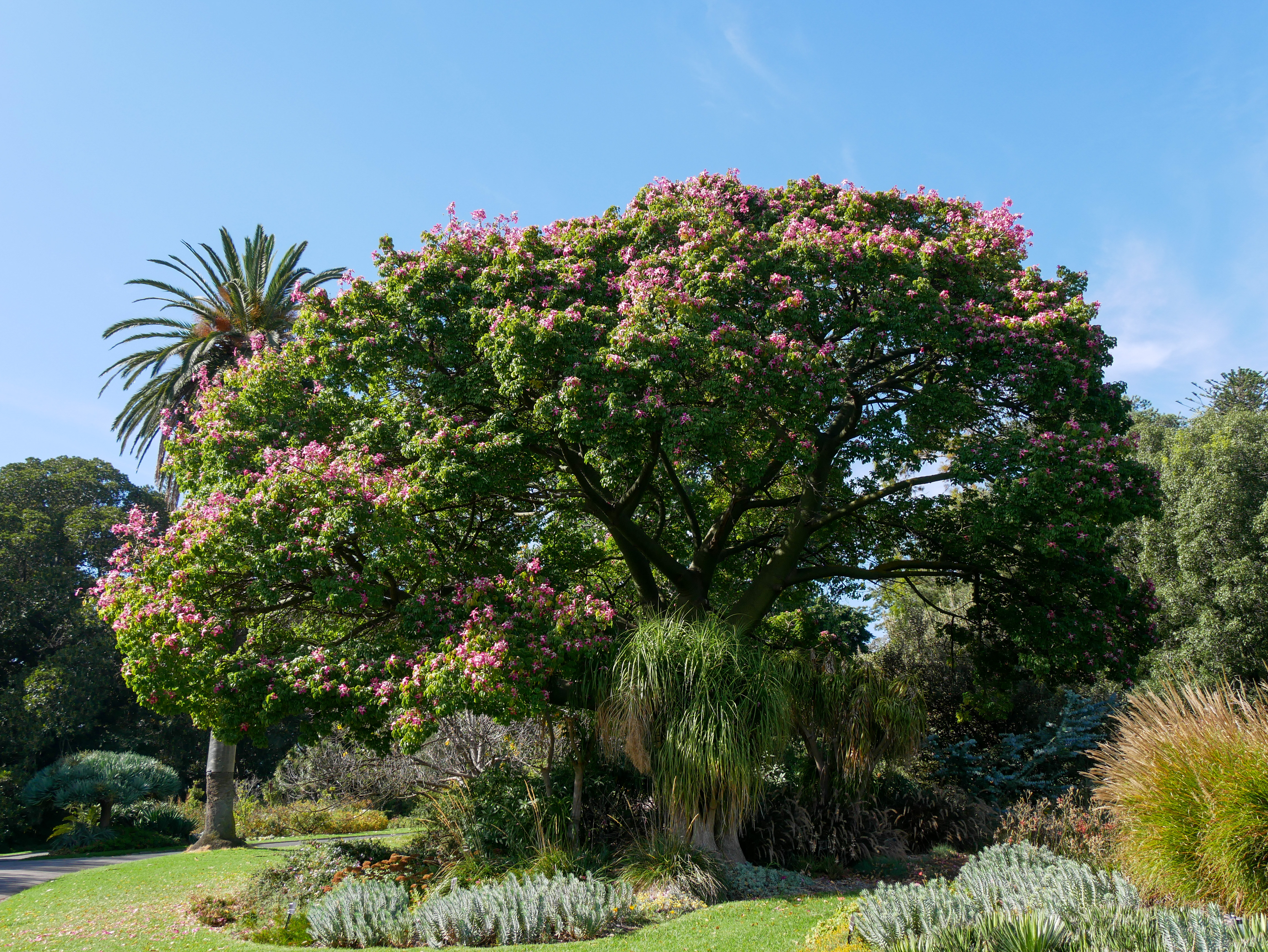
Learn MoreAn integral part of the Gardens for over 20 years, Landscape Architect Andrew Laidlaw has seen many plants accommodate their new reality. His favourite of the bunch? The Ceiba speciosa or commonly known as the Silk Floss tree.
“This is a tree that grows very well in the Melbourne area, including the Mornington Peninsula. It is a tree from South America that will continue to thrive [in Melbourne] despite our warming climate” Laidlaw shared.
“In its natural habitat it can reach 25 metres. Here in Melbourne, we have a 30-year-old tree that is about 10 metres in height.”
“They produce a spectacular flower in summer and have an amazing trunk. After flowering they produce a large woody capsule that, when it ripens, produces this cotton-like silk floss.”
“It is a maintenance-free tree once it has established but may need some early protection in colder areas, as it does not tolerate frosts as a young plant.”
“You can tip prune it to develop branching when young and you should select plants that have the thorned trunks. This becomes a feature as the tree matures.”
Marie Velthovan, Horticulture Team Leader at Royal Botanic Gardens Cranbourne has also seen her fair share of plants working to adapt to new challenges.
Marie’s favourite climate-adapted plant pays homage to her place of work. With Cranbourne Gardens experiencing weather fluctuations from extreme fire danger days to icy winter months, many plants in South-East Melbourne have had to be ready for all seasons.
“Grevillea insignis subsp. elliotii has a natural habitat of gravelly, nutrient-poor soils, so it is hardy in a garden during periods of drought, while still maintaining its highly ornamental features of waxy red and cream flowers and holly-like leaves,” Marie said.
“It provides both nectar and habitat to attract small birds to your garden, and is named after Gwen and Rodger Elliot, native plant pioneers and longtime supporters of the Australian Garden at Cranbourne.”
“Although it can be spiky to the touch, don't be afraid to prune the branches back once a year to keep it dense and bushy and encourage lots of new flowers!”
While not always getting his hands dirty in a garden bed at work, Royal Botanic Gardens Victoria’s Natural Systems Manager has had plenty to of managing to do, ensuring the entirety of Melbourne and Cranbourne Gardens can handle whatever the weather of the day throws at them.
While he plays a large role here at the Gardens, Ricardo’s favourite plant is one of the more unassuming ones.
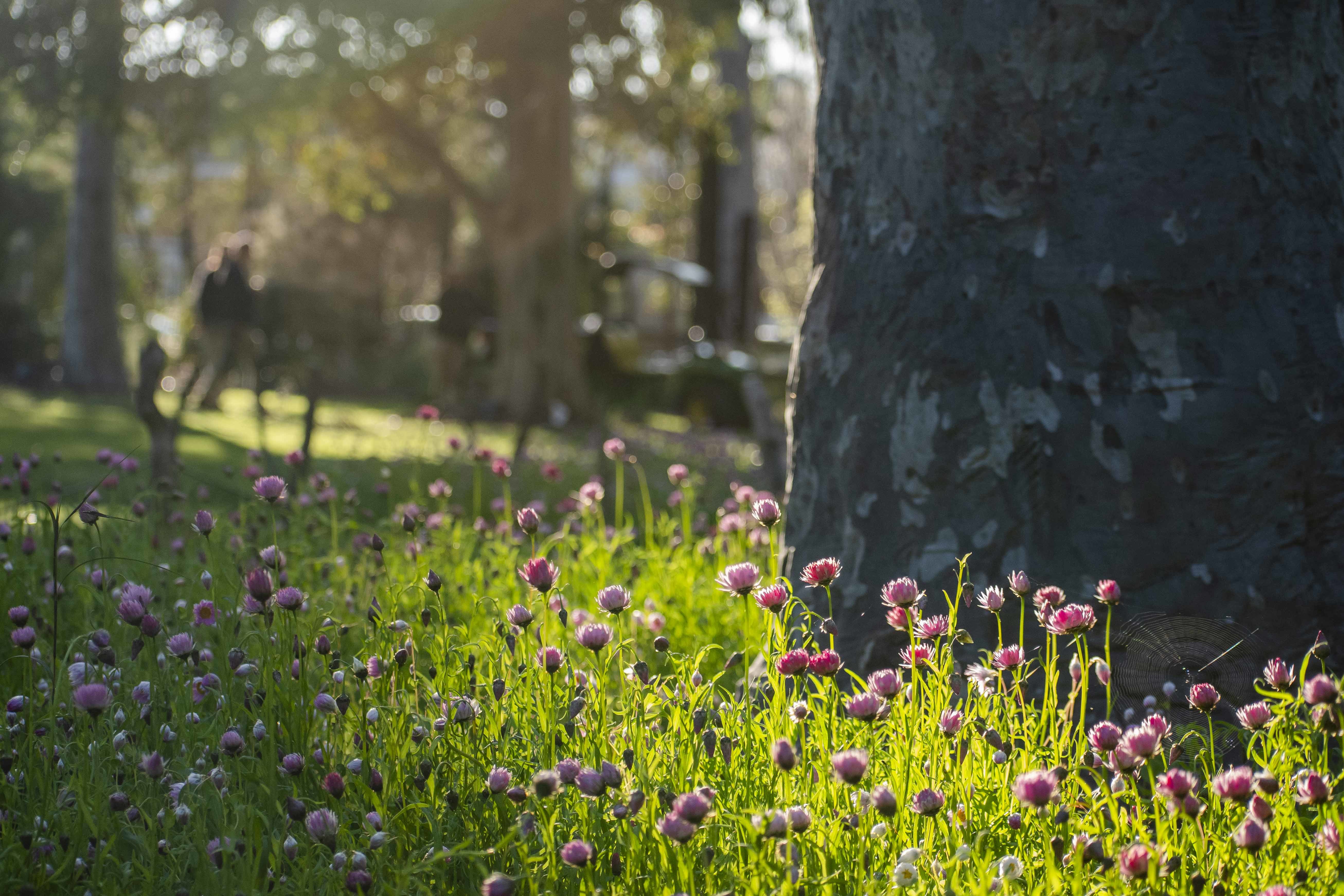
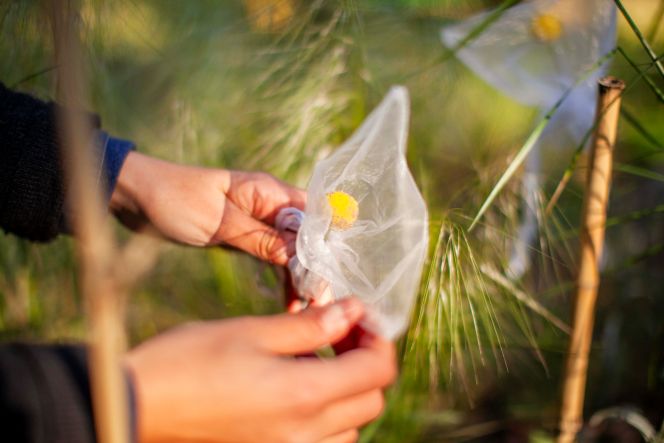
“My favourite are Grey Billy-buttons (Craspedia canens) because its inclusion in a garden supports biodiversity by providing critical resources for pollinators in fragmented urban landscapes,” Simao said.
“The vibrant yellow pom-pom heads provide a prolonged feast for adult butterflies and native bees, as each "button" consists of about 50 tiny individual flowers that open sequentially. They are known to attract a wide range of beneficial insects, including moths, beetles, and hoverflies.”
“It is critically endangered in Victoria and part of RBGV's Raising Rarity school program.”
“Grey Billy-buttons like a moist well-drained position in full sun but will require a little extra water in the hottest part of summer. Removing old flower stalks and some native fertiliser will encourage repeat flowering.”
Curator of The Ian Potter Foundation Children’s Garden and the Southern Africa Collection, Jennifer ‘Jenni’ Bell knows a thing or two when it comes to ensuring plants from foreign environments survive and thrive in new climates.
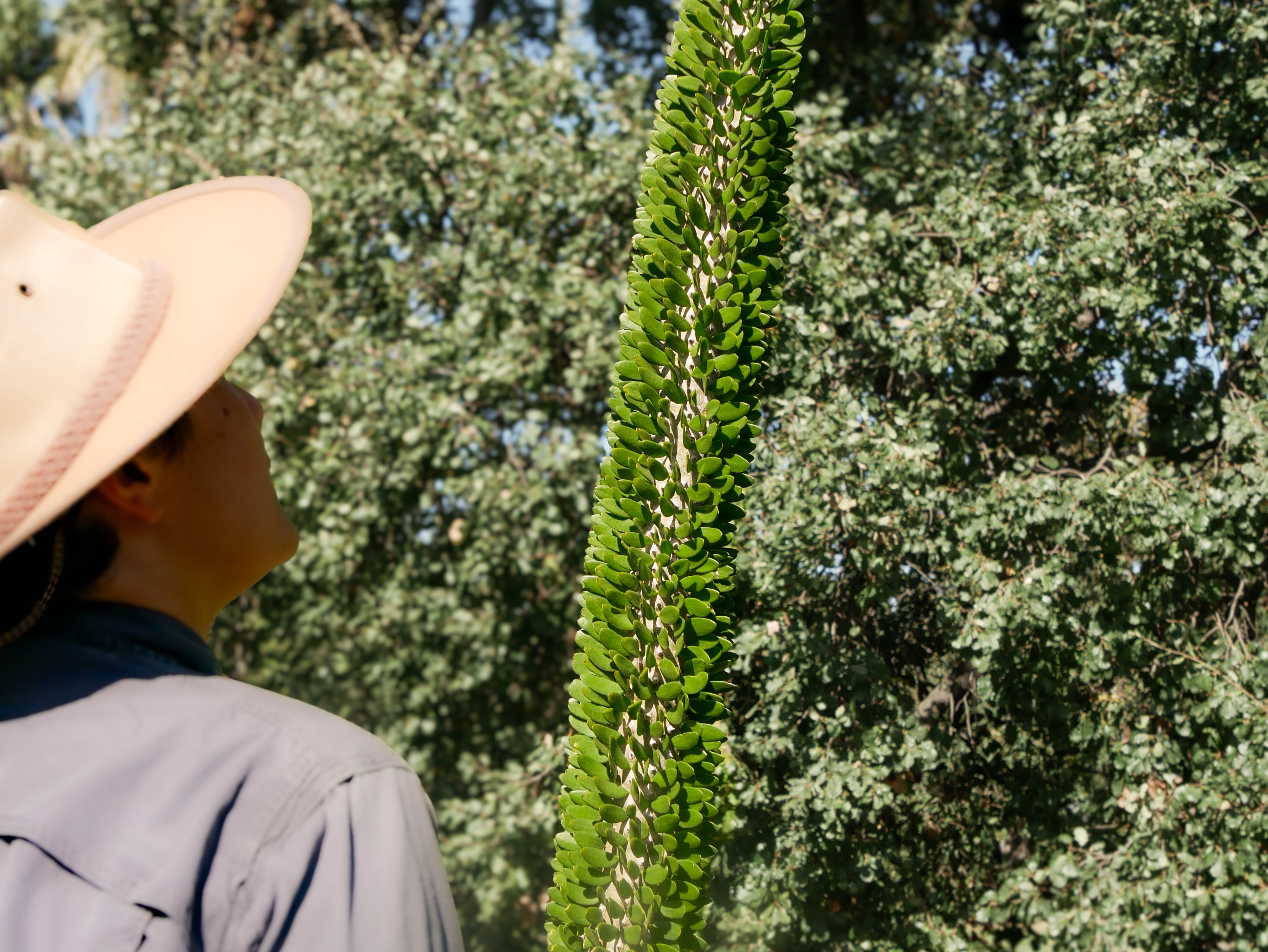
Jenni highlights the Alluaudia procera or Madagascar ocotillo as her favourite climate-adjusting plant. Hailing from the island country of Madagascar, this bush has certainly had to adapt during its migration to continue thriving in Melbourne.
“Its natural habitat is dry and hot making it a great plant for our changing climate,” Jenni said.
“It’s a real architectural curiosity! With its tall, pillar-like growth, it has spines running neatly up its branches.”
“In summer, tiny oval leaves pop out between the spines, giving it a softer look. Then in autumn and winter it drops those leaves, revealing the bold, spiny structure underneath.”
“Once mature, growers are rewarded with a beautiful spray of flowers at the top of the branches…it’s a real showstopper whatever the season.”
“Alluaudia procera is a very easy plant to care for as long as you get the basics right. It needs full sun and free draining soil to really thrive.”
Sometimes, this information can be overwhelming. So, we asked our experts for some tips on how we can all make our own gardens, however big or small, more future-climate-proof!
A true landscape architect, Andrew says, “good planting design is our most powerful tool to make our gardens future-proof.”
“Creating gardens full of biodiversity starts by understanding the existing microclimates in our gardens and then selecting plants that can thrive under these prevailing conditions without excessive inputs like water, food or pesticides.”
“Find the right plant for the right spot.” Marie agrees.
“Some areas might be very sandy and dry, some might be very clay and boggy and don't dry out over winter. With more extreme weather events, both hot and wet, it's important to know what species are adaptable to these different conditions so we can maintain a green oasis in an ever-concreted landscape.”
“Half of the fun of home gardening is experimenting and finding out what works!”
Ricardo encourages planting a diverse range of adaptable plants, ready for anything which may come their way.
Ricardo Simao, Natural Systems Manager at Royal Botanic Gardens VictoriaBy planting local, particularly indigenous species, that are adapted to a range of conditions they will be able to handle any future rain and temperature fluctuations as the climate becomes more unpredictable
“Display gardens in Cranbourne Gardens, such as the Backyard Garden, How to Garden and many more are wonderful starting points for inspiration.”
As Bell summarises, at the end of the day, future-proofing our gardens is all about trial and error.
“Don't be afraid to remove plants if they are struggling in an area, instead find an alternative plant for the space.”
Amidst the increased extreme weather challenges, one thing is for certain. The healing power of nature is always there to offer a sense of peace and wellbeing during hardship. But, while we turn to our Gardens for comfort, locally and globally, so too do our plants turn to us for assistance.
Our beautiful Royal Botanic Gardens Victoria are a crucial free sanctuary for plants, humans and wildlife where these beautiful green spaces mean something different for everyone. We at the Gardens understand times are tough, however, to maintain our Gardens, we do depend on financial contributions from those who want to do their part to help conserve and protect these beloved spaces.
“Our gardens can be places for beauty and nature to express themselves, two essential aspects that are connected to human health,” Andrew reminds us.
“A healthy garden means a healthy owner. By future proofing our gardens they remain a gift that keeps on giving.”
Andrew Laidlaw, Landscape Architect at Royal Botanic Gardens VictoriaA healthy garden means a healthy owner. By future proofing our gardens they remain a gift that keeps on giving.
“As gardeners and nature lovers, we have a responsibility to think beyond the present season and consider what we’re leaving behind. Future generations deserve outdoor spaces where they can explore, make memories, and find joy in being outside.” Jenni says.
Thank you for playing your part in making our Gardens a thriving space for many more years to come.
Author: Kasey Harward
Subscribe to our newsletter to stay updated about what's happening around the gardens.