

Royal Botanic Gardens Melbourne celebrates 180 years at the heart of the city.
Before Australia's first Prime Minister took their seat in Parliament, Vegemite appeared on breakfast tables and Melbourne's iconic trams began rattling through the city streets, there was Royal Botanic Gardens Melbourne.
For 180 years, Melbourne Gardens has grown alongside the city it calls home. From first discoveries and family traditions to quiet moments of reflection, royal visits and community celebrations, generations of Melburnians and visitors have walked beneath its trees, wandered its pathways and made memories among its extraordinary landscapes.
Chris Russell, Director & Chief ExecutiveMelbourne Gardens has collected far more than plants over the past 180 years. It has collected stories, memories and moments that continue to connect people to this extraordinary place and the natural world.
Regarded as one of the world's most beautiful botanic gardens, Melbourne Gardens spans 38 hectares. Its picturesque lakes, sweeping lawns, magnificent specimen trees and intricately detailed garden beds provide a green sanctuary in the city. Home to more than 8,500 species from around the world, the Gardens house one of Australia's most significant living plant collections, including camellias, cycads, rainforest flora, cacti and succulents, and rare and threatened plants from south-eastern Australia. Its landscapes are home to eels, turtles, flying foxes, powerful owls, waterbirds and hundreds of other species, creating a thriving urban ecosystem in the centre of Melbourne.
Though, the story of Melbourne Gardens stretches back far beyond its establishment as a botanic garden. Situated on the lands of the Boonwurrung and Woiwurrung peoples of the Kulin Nation beside Birrarung (the Yarra River), this landscape has been a place of gathering, learning and connection for thousands of years under Aboriginal custodianship.
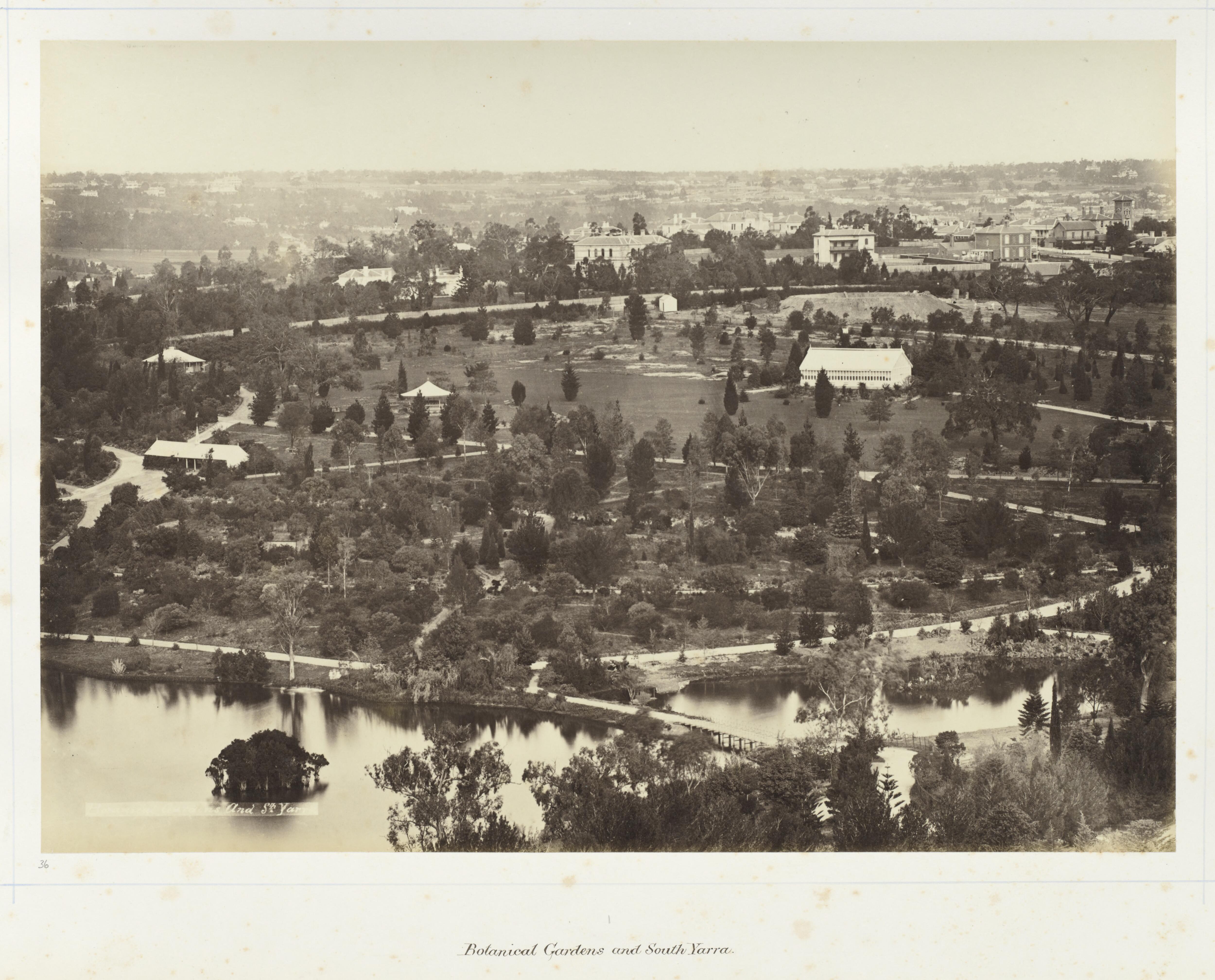
Royal Botanic Gardens and South Yarra in the mid-1870s. Courtesy State Botanical Collection.
In 1846, Superintendent Charles Joseph La Trobe reserved land beside the river for a botanic garden, creating a place where science, beauty and public life could flourish together. Under pioneering botanist Ferdinand von Mueller, the Gardens became an internationally recognised centre of botanical discovery, while later Director William Guilfoyle shaped the picturesque landscape visitors know and love today.
Today, Melbourne Gardens welcomes millions of visitors each year and continues to evolve as a leading botanic garden, hosting exhibitions, performances, learning programs, research and cultural events that inspire greater connection with the natural world.
Much of the Gardens' work, however, happens behind the scenes.
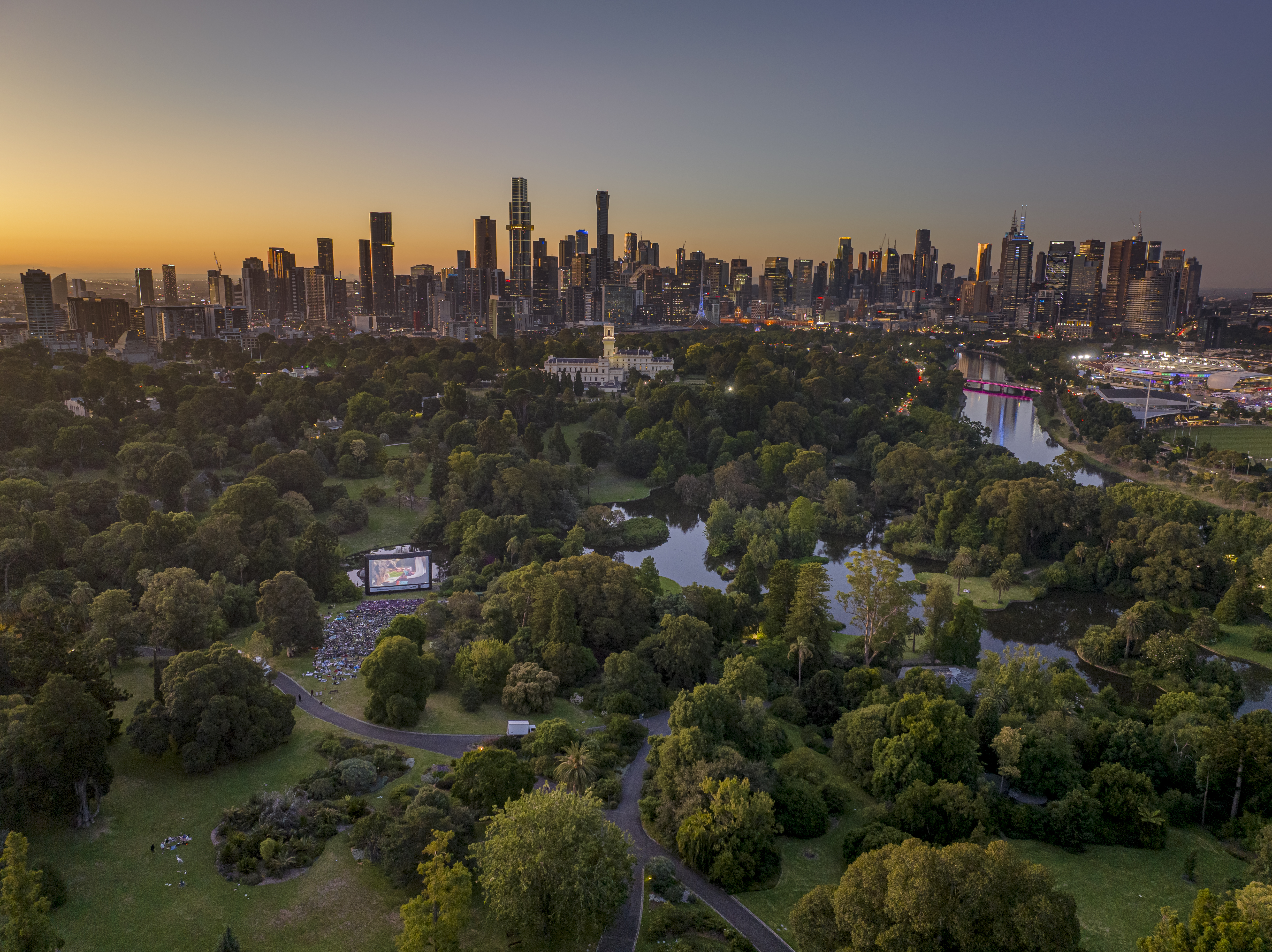
Royal Botanic Gardens Melbourne in 2026.
Royal Botanic Gardens Victoria is home to the National Herbarium of Victoria, founded in 1853 and recognised as Victoria's oldest scientific institution. Home to the State Botanical Collection, it houses more than 1.56 million preserved plant, algae and fungi specimens, making it the largest herbarium collection in Oceania and one of the most significant scientific collections in the Southern Hemisphere.
The collection includes almost 36,000 type specimens, Australia's largest botanical library and specimens collected by renowned historical figures including Charles Darwin, Lady Jane Franklin and Ellis Rowan. Together, these collections provide an extraordinary record of biodiversity, helping scientists understand environmental change, monitor species decline and guide conservation efforts for future generations.
Dr David Cantrill, Victoria’s Chief BotanistThe National Herbarium of Victoria holds one of the world's most significant botanical collections, providing knowledge that supports conservation, research and environmental decision-making both in Australia and globally.
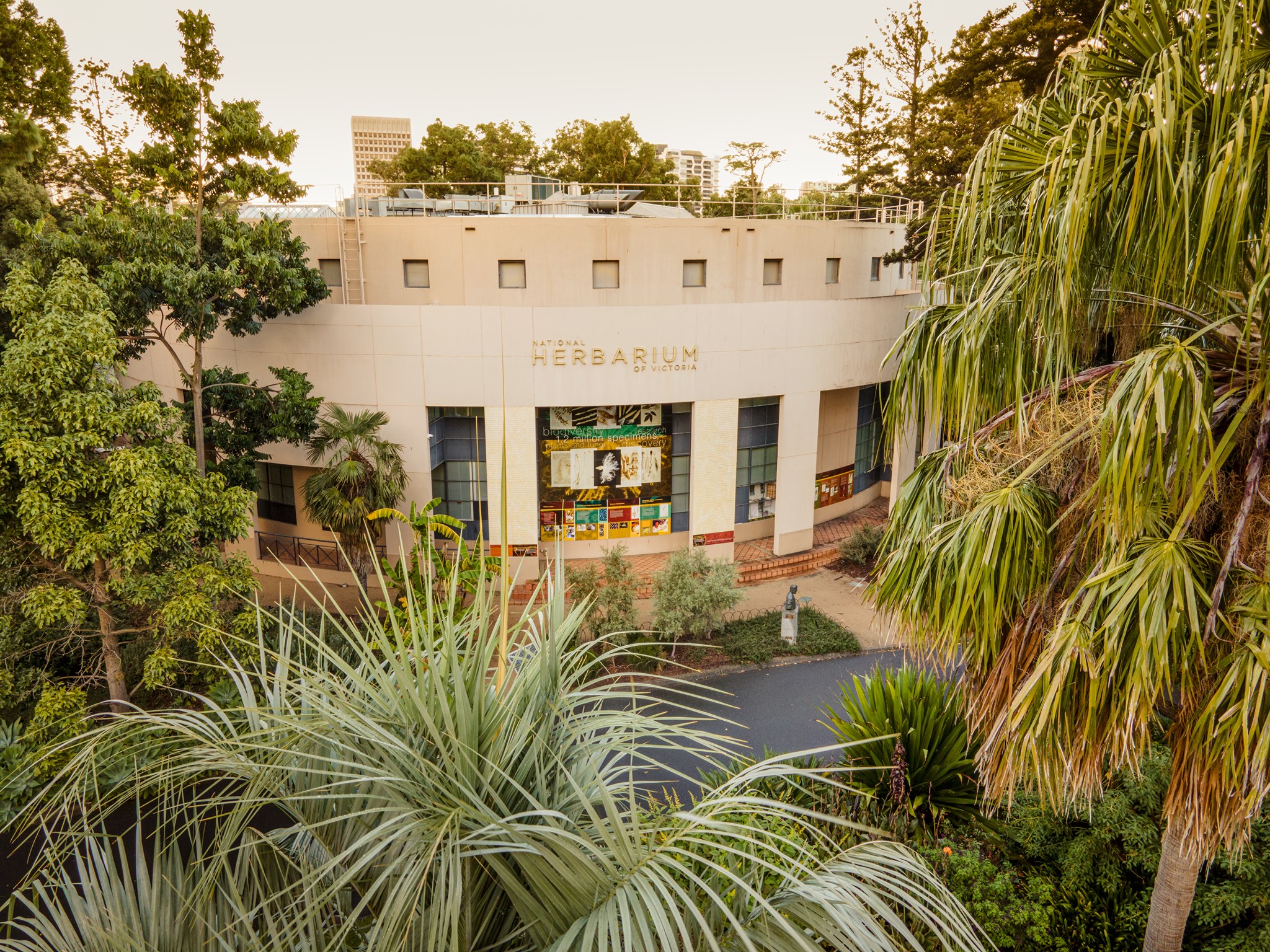
The National Herbarium of Victoria.
As Melbourne Gardens celebrates its 180th year, it also continues to shape the future of botanic gardens globally.
Royal Botanic Gardens Victoria is internationally recognised as a leader in botanical science, horticulture and conservation. Its horticulturalists established the Climate Change Alliance of Botanic Gardens. The alliance now connects more than 600 organisations across more than 100 countries, sharing knowledge and practical solutions to help plant collections adapt and thrive in a changing climate.
The Gardens also inspire future generations through nature-based learning experiences attended by thousands of students each year.
For 180 years, Melbourne Gardens has brought together nature, culture and science in the heart of the city. As it looks to the future, the Gardens remain committed to caring for its collections, landscapes and knowledge while inspiring future generations to connect with and care for the natural world.
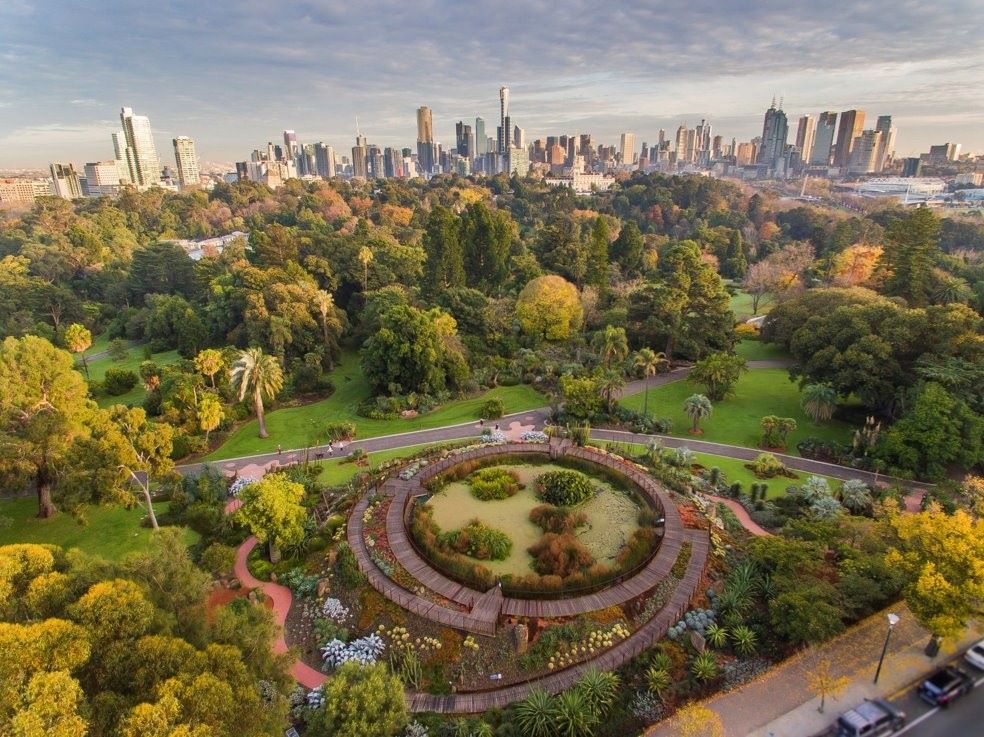
Royal Botanic Gardens Melbourne.
Chris Russell, Director & Chief ExecutiveWith a vibrant calendar of events, performances and experiences across spring and summer, there has never been a better time to visit Melbourne Gardens. We encourage everyone to come along, create new memories and become part of the next chapter of this remarkable place.
As Melbourne Gardens turns 180, the invitation is simple: come and celebrate one of Melbourne's most loved places and add your story to a collection nearly two centuries in the making.
Background Information
- Located on the lands of the Boonwurrung and Woiwurrung Peoples of the Kulin Nation.
- Established in 1846 by Superintendent Charles Joseph La Trobe.
- World-leading botanic garden that spans 38-hectares and is home to one of Australia’s most significant living collections.
- More than 2 million people visit Royal Botanic Gardens Melbourne each year.
- In 2025, Tripadvisor named Royal Botanic Gardens Victoria as the fourth top attraction in Australia as part of its Travellers Choice’ Awards:
- More than 45,000 students participate in education programs at the Gardens each year.
- Over its 180-year history, Melbourne Gardens has welcomed royalty, musicians, artists, authors, sporting champions and world leaders, including: Queen Elizabeth II, King Charles III, Olivia Newton-John, Kylie Minogue, Nick Cave, Lizzo, Novak Djokovic, The Jonas Brothers, Hoodoo Gurus, Michael Leunig and more.
- The lake used to be a bend in the Yarra River before it was straightened.
- Up until the 1940s, the lawns were mowed by horsepower.
- It’s home to Guilfoyle's Volcano, a reservoir which uses water from surrounding streets to irrigate the Gardens.
Vegemite (1923), Tim Tam (1964), Flat White (1980s)
The Gardens was already 77 years old when Vegemite hit the shelves, 118 years old when Tim Tams arrived, 88 years old when MILO was made and about 130 years old when the first Flat White was poured.
Australian Federation (1901), First Australian Parliament (1901)
Melbourne Gardens was founded before every Australian Prime Minister sat, before the Commonwealth of Australia, and before most of Australia’s best-known man-made landmarks (Sydney Harbour Bridge, the Melbourne Cricket Ground, Parliament House (Canberra), Luna Park and Flinders Street Station (current building).
MCG (1853)
The Gardens was 7 years old when the MCG grounds were open for their first bat.
QANTAS (1920)
Now a common sight to see flying overhead while laying on a lawn, a QANTAS plane first took off 74 years after the Gardens were established.
ABC (1932)
Melbourne Gardens predates the ABC by 84 years, making it one of Melbourne's oldest and most enduring institutions.
Melbourne’s first tram - Richmond cable tram line (1885)
By the time Melbourne's iconic tram network began operating in 1885, Melbourne Gardens had been flourishing for almost four decades.
To source images and interviews, please contact:
communications@rbg.vic.gov.au
(03) 9252 2300